

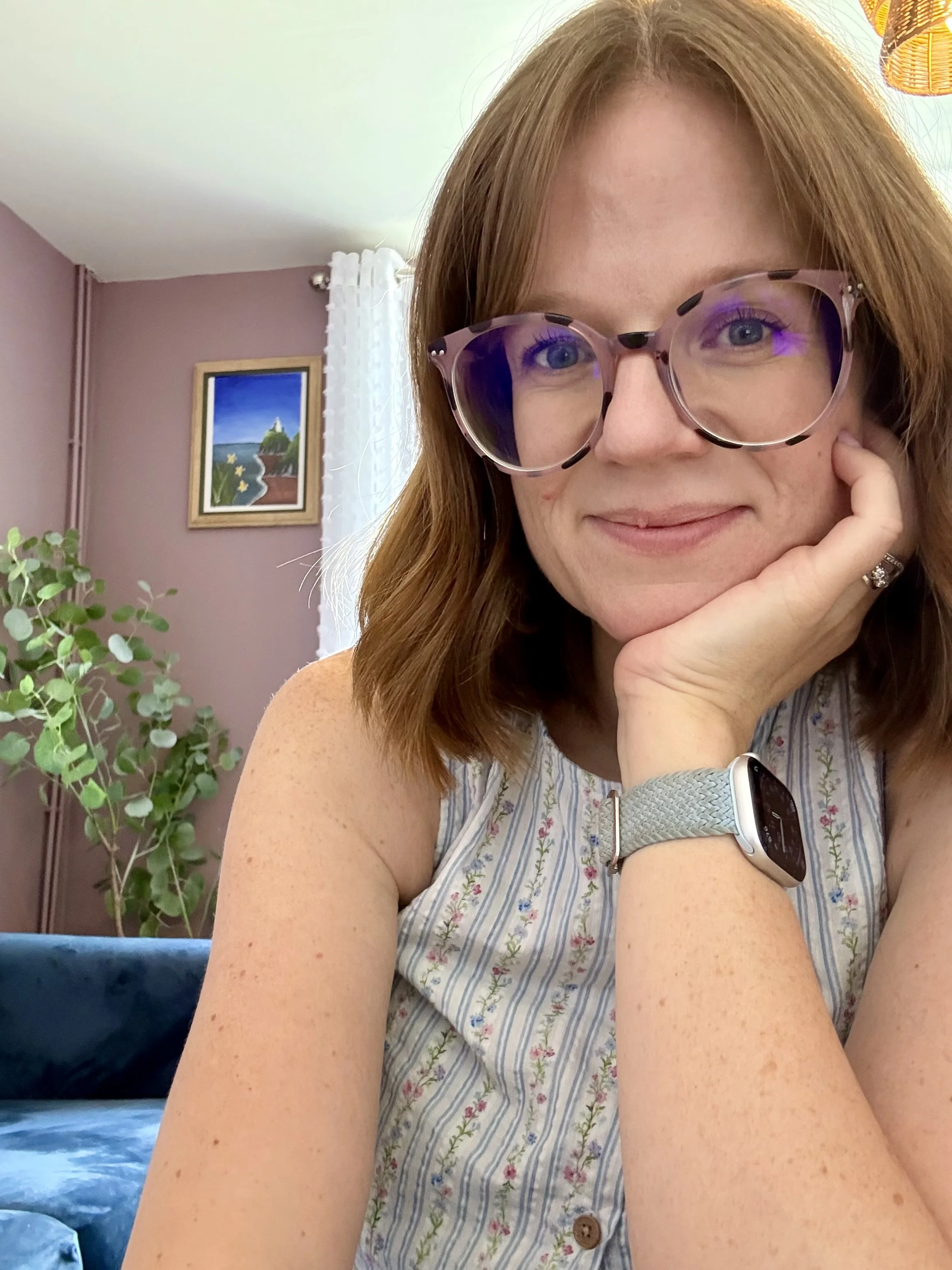
Hi, I’m Dr Nicola Sutton
Psychologist, supervisor, and someone who has never stopped asking why.
I work with people who are ready to understand what's actually going on and change it. And I support the therapists and psychologists who do that work too.
Eleven years of clinical experience since qualifying. A background that means I've sat with some of the most complex human experiences there are. And a genuine belief that understanding something and actually changing it are two very different things.
My path into this work, and what it means for you
Sutton Psychology exists because I understand one thing very clearly. You want to feel better. You want the relationships to work, the sleep to come back, the version of yourself that isn't fighting something all the time.
And you've probably already tried. You've read the books, done the breathing, maybe even had therapy before. You know exactly what happens and when. What you haven't had is someone get specific about what's actually driving it, and work with you until something actually changes.
That's what this is.
I started down this path reading crime fiction before I was really old enough for it. Not for the crime. For the why. What drove someone there. What made a person capable of something.
That question took me into forensic psychology, into secure hospitals and psychiatric units, sitting with people in their most overwhelming moments. Not just understanding what drove them there, but helping them understand it too, so that treatment could target the right things and open up a different kind of future.
Founded in 2021, Sutton Psychology started as a small private practice alongside my NHS Clinical Lead role, built around one principle: the right approach for what you're actually carrying. Not a generic method applied to everyone. Specific, purposeful work that actually moves you forward.
It's how I help you understand what's been going on, change what isn't working, and get back to living rather than just managing.
What it's like to work with me

Sessions are purposeful, we're always working towards something, not just talking for the sake of it. But purposeful doesn't mean cold. There's room to go at your pace, to not have the right words, to arrive not quite knowing where to start.
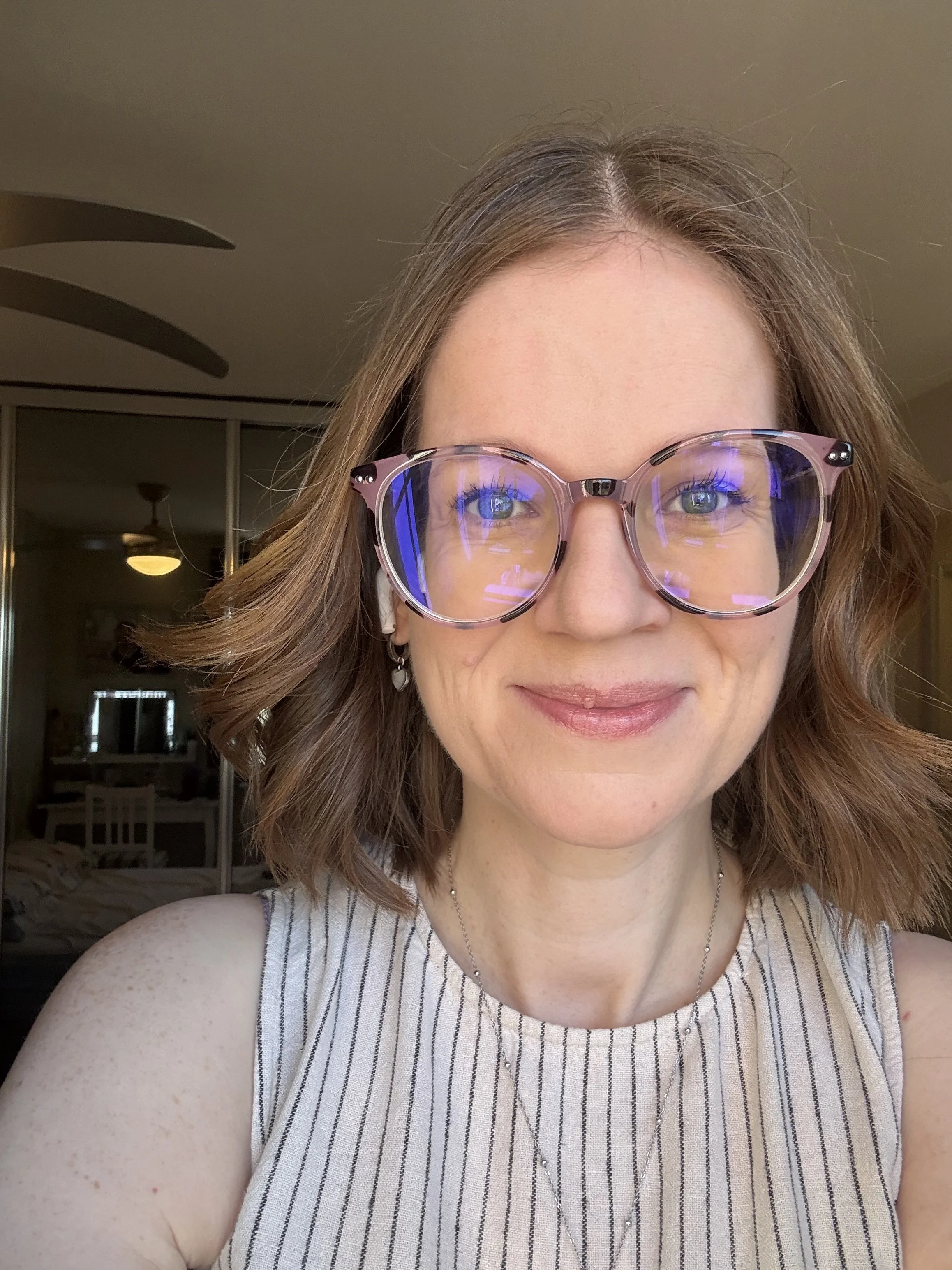
You might notice that:
● I ask questions that get to the centre of things quickly
● I name what I'm noticing rather than leaving it unnamed
● I don't accept a surface answer if something deeper is worth exploring
● Nothing you bring into the room will unsettle me
● You leave most sessions with something concrete, something to notice, try, or reach for before next time
Some sessions will feel focused and clear. Others will feel harder, like you've opened something up that needed opening. Both are part of the work.
Underneath all of it sits the right approach for what you're actually carrying:
Dialectical Behaviour Therapy (DBT)
Cognitive Analytic Therapy (CAT)
Eye Movement Desensitisation and Reprocessing (EMDR)
Formulation-led thinking
The approaches work best together. That's how I use them.
HCPC registered psychologist with eleven years of clinical experience.
I've been building clinical experience since 2009, first through training placements and then, since qualifying in 2015, across some of the most demanding clinical settings in the field, secure hospitals, psychiatric inpatient units, and community services, before building Sutton Psychology alongside my NHS Clinical Lead role.
I'm trained in DBT and EMDR, and I already use CAT in my clinical work today. I'm currently completing my formal CAT Practitioner training and working towards EMDR accreditation, not because either skill is missing, but because both are about going one level deeper: using each model exactly as it's meant to be used, not an adapted or watered-down version, so the outcomes are as strong as the research says they can be. I hold the Association of Psychological Therapies Excellence in DBT Award, and co-chair the South Wales DBT Local Area Network.
A little bit about me
Outside of work I'm a mammy to two little ones, which keeps me very grounded in the reality of what I talk about professionally. There's nothing like parenting for closing the gap between knowing what you should do and actually being able to do it in the moment.
Beyond that I'm someone who is genuinely curious, about people, about what drives behaviour, about why we do the things we do even when we know better. That curiosity is what took me into forensic psychology, what keeps me engaged in the work after eleven years, and what I bring into every session.
I started studying psychology because I wanted to understand people. I'm still doing it for exactly the same reason.
In their own words
"Nicola is a compassionate psychologist and has taught me so many skills such as resilience and is an active listener - nobody has understood me like Nicola has and with her kind nature she has helped me navigate life events and deal with my anxiety that has been a big part of my life for 40 years."
— FlairWhether you're considering therapy or supervision, the first step is the same: a conversation. No pressure, no commitment. Just a chance to talk about what's brought you here and find out whether I'm the right person to help.